Greetings and Introductions
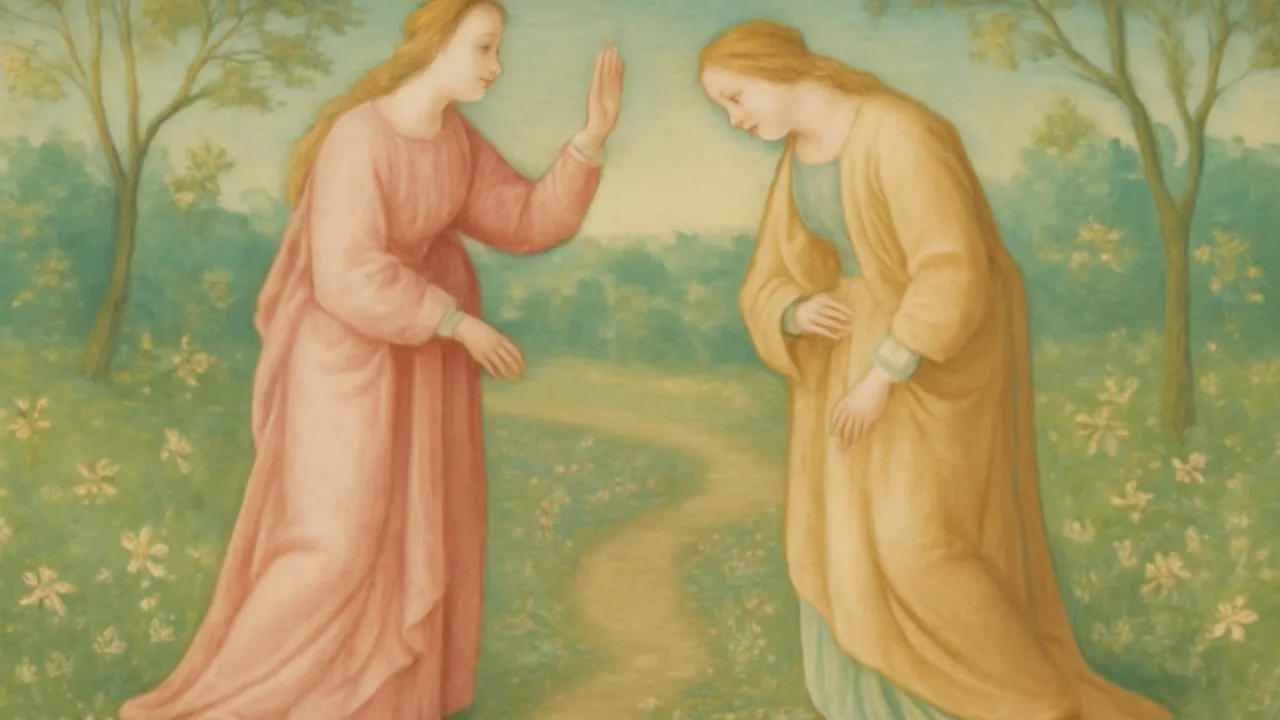
Italian is a language of music, food, and warmth. Let's start with the words you'll use from day one.
Greetings
| Italiano | English | When to use |
|---|---|---|
| Ciao! | Hi! / Bye! | Informal, among friends |
| Buongiorno | Good morning / Good day | Formal, until ~3 PM |
| Buonasera | Good evening | After ~3 PM |
| Buonanotte | Good night | Before going to sleep |
| Arrivederci | Goodbye | Formal farewell |
| A presto! | See you soon! | Casual farewell |
Note: Ciao is both hello AND goodbye — but only for people you address with tu. With strangers or in formal settings, use buongiorno / buonasera and arrivederci.
Introducing yourself
| Italiano | English |
|---|---|
| Mi chiamo Marco. | My name is Marco. |
| Come ti chiami? | What's your name? (informal) |
| Come si chiama? | What's your name? (formal) |
| Piacere! | Nice to meet you! |
| Di dove sei? | Where are you from? (informal) |
| Sono di Berlino. | I'm from Berlin. |
| Sono tedesco/a. | I'm German. (m/f) |
Tu vs. Lei
Italian distinguishes between:
- Tu — informal "you" (friends, family, peers)
- Lei — formal "you" (strangers, elders, professional contexts)
Lei literally means "she" but is used as the formal "you" for all genders. It always takes third-person verb forms.
Essential phrases
| Italiano | English |
|---|---|
| Sì / No | Yes / No |
| Per favore | Please |
| Grazie (mille) | Thank you (so much) |
| Prego | You're welcome |
| Scusi / Scusa | Excuse me (formal / informal) |
| Non capisco | I don't understand |
| Parla inglese? | Do you speak English? |
Check your understanding
Answer the questions below to mark this chapter as read.
Which greeting is used informally for both hello and goodbye?
"Buonasera" is used in the ___.
Complete: Mi ___ Anna.
The formal word for "you" in Italian is ___.
"Non capisco" means ___.
How do you say "Nice to meet you" in Italian?